
Blog
The CTO's guide to AI adoption strategy
13 min read
Read article
About this service
Build scalable, maintainable software with our experienced engineering teams. We deliver high-quality code and best practices that help your product succeed.
Go to serviceAudits & due diligence
Our experienced CTOs and staff engineers technically de-risk your next funding round. In only 2 weeks. About 90% of funded startups fail within 3 years. The biggest risks are not the pitch or market fit, they are the hidden flaws in the product or the team.
We help startups, scale-ups and investors with technical due diligence by objectively evaluating the codebase and the technical team to ensure your next funding round is fully technically de-risked.
Our unique methodology is based on 5 pillars, because just analysing the code or exploring documentation is nowhere near enough.
2-hour call with the CTO
We start with a baseline interview covering key players and areas to focus on. We prepare 3 to 5 key questions and schedule placeholder interviews.
Planning
After the baseline interview, we know who we want to talk to and the important systems to review. We ask for access to codebases, ticketing systems, and documentation tools.
Reviewing everything
Our team dives deep, checking for best practices across systems. During interviews, we zoom in on specific details to understand how a team thinks about their work.
Documenting findings
We document our observations and concerns, share a draft with the company, then refine the finished version and share it with the recipients.
Answering your questions
We debrief the report after people have had a chance to read it. We even join board meetings if necessary. From the first interview: 10 business days.
You don't call us when everything's fine. You call when you need clarity about your technology before making a big decision.
“We need an objective view before a big technical decision.”

“We’re about to raise and investors want a tech audit.”

“If you can tell VCs, ‘we are working with madewithlove’ they already know it will be quality because they have also used madewithlove to do, for example, audits.”
Thomas Vanhumbeeck, Cofounder & CEO at FixForm

“Investors are worried about technical risk.”
“We’re dealing with legacy systems nobody fully understands.”

“Madewithlove was the only party advising us to refactor instead of starting over. With hindsight, this was the right choice. Our customers started feeling the difference right away and didn’t have to…”
Steven Debrauwere, CEO at Contractify
“We want to prepare for our next funding round.”
“We acquired a company and need to evaluate the tech.”
You will not see companies like Amazon among our past clients. You will, however, see the names that will soon rock the SaaS world because we helped them predict risks and avoid failure.
“Madewithlove helped us by providing a critical eye for our situation then got their hands dirty, got involved to fix problems, to put us on a better path.”
Dorian de Broqueville
General Manager, Izix

“Madewithlove helped us build the blueprint, not the house. Advice was given in a fair and direct way, while keeping room for discussion and without pushing personal preferences.”
Robin Haegeman
CTO, 3D Aim Trainer

“The staff engineers at madewithlove were essential in not only giving a diagnosis but also being involved to help deliver solutions.”
Dorian de Broqueville
General Manager, Izix
We have conducted technical due diligence for investors and companies looking to understand the true state of their technology investments.
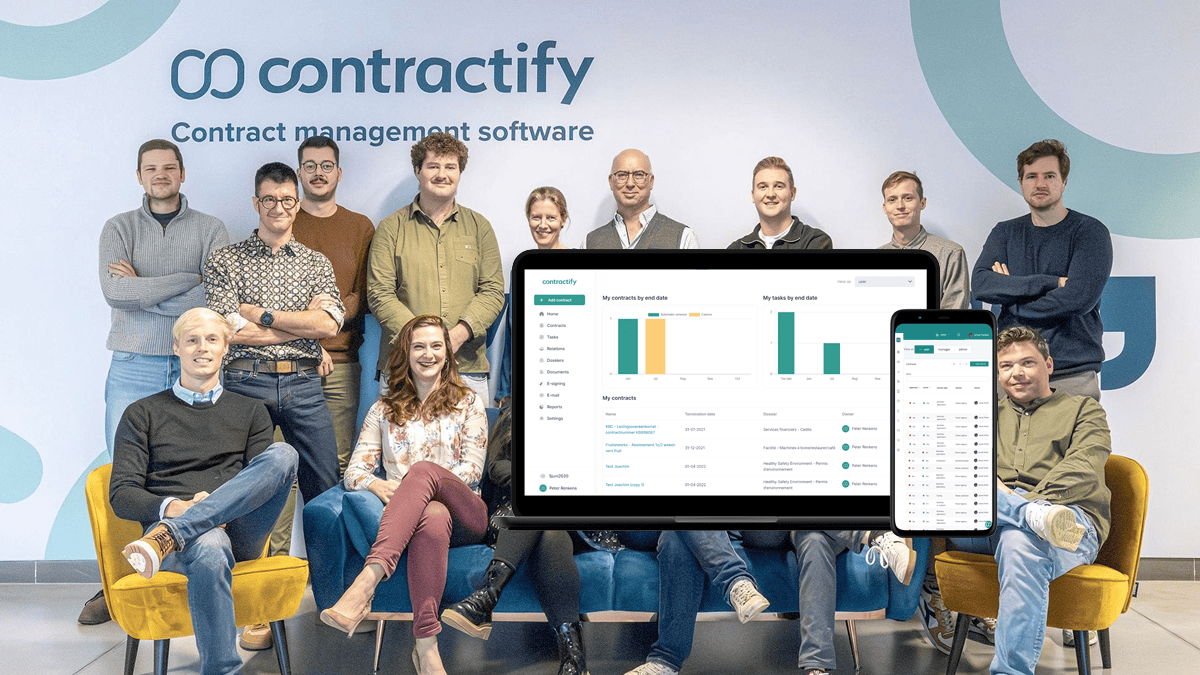
Contract management simplified through refactoring, not rewriting
We were the only party advising them to refactor instead of starting over. Over 18 months, we modernised their PHP/Laravel stack, established CI/CD pipelines, migrated infrastructure to DigitalOcean, and dramatically reduced bug rates while mentoring their growing team.

FROM 180+ SAAS AUDITS
Seed audits average 25 to 40 concerns each
Foundation gaps compound into Series A.
See what 180 audits revealedOur latest thinking on technical due diligence, investment risks, and what makes SaaS codebases fundable.
Tell us about your company or portfolio company and we'll scope a technical due diligence that gives you the clarity you need before the next round.
Everything you need to know about our technical due diligence service.
Our standard process is designed to be completed within 10 business days, from the initial interview to the delivery of the final report.
No. A code review is only one part of our comprehensive audit. We also examine the structure of your team, development processes, architecture, infrastructure, security, and scalability.
Our service is designed for both investors seeking to de-risk an investment and for SaaS startups or scale-ups preparing for a funding round, merger, or acquisition.
We operate under strict NDAs and handle all client information with the utmost confidentiality. Any access you provide us with is revoked immediately upon completion.
We deliver a detailed report and conduct a debrief session to ensure all stakeholders understand our findings. We can also join board meetings to present results.
For investors
Technical due diligence for VCs
De-risk your next investment with our 5-pillar methodology.
For SaaS teams
Internal audits
A 15–20 page health check of your product, team and codebase in 10 days.
For Belgian SaaS
Technical due diligence in Belgium
Independent TDD from our Leuven team. 150+ audits since 2008.